Data Center Power Whips: What They Are and Why They Matter
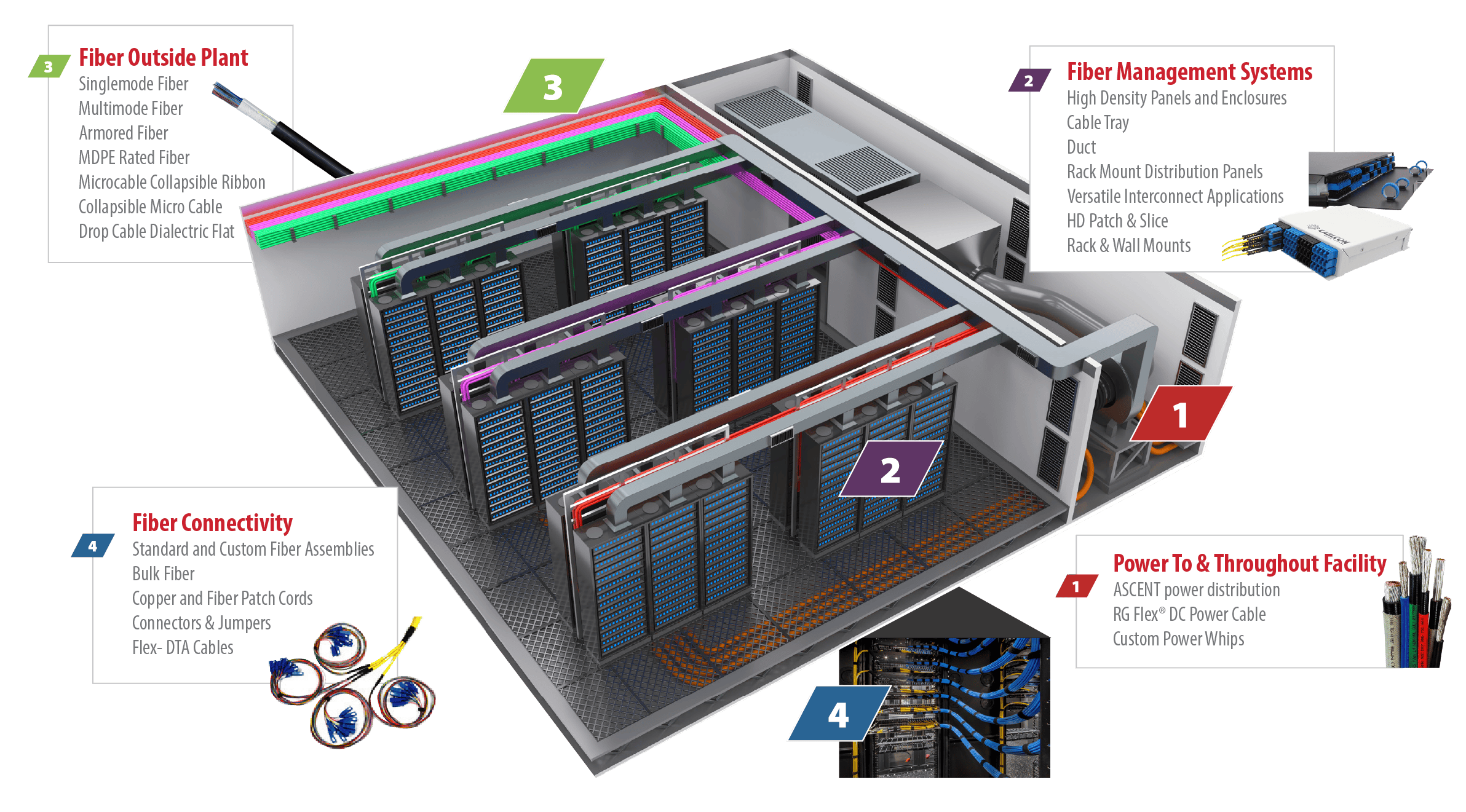
Data center power whips play a significant role in helping high-density facilities deliver reliable power from distribution equipment to racks, cabinets, PDUs, and IT equipment. From cloud platforms and colocation facilities to AI and high-performance computing environments, modern data centers need power infrastructure that can support higher rack densities, faster buildouts, and repeatable installation practices.
These preconfigured power cable assemblies help connect power distribution equipment to rack-level infrastructure. By simplifying the final connection between power systems and equipment, power whips can help reduce installation complexity, improve consistency, and support scalable data center deployments.
For facilities planning new builds, expansions, or infrastructure upgrades, understanding how power whips work can help teams make better decisions around power delivery, routing, flexibility, and long-term performance.
What Are Data Center Power Whips?
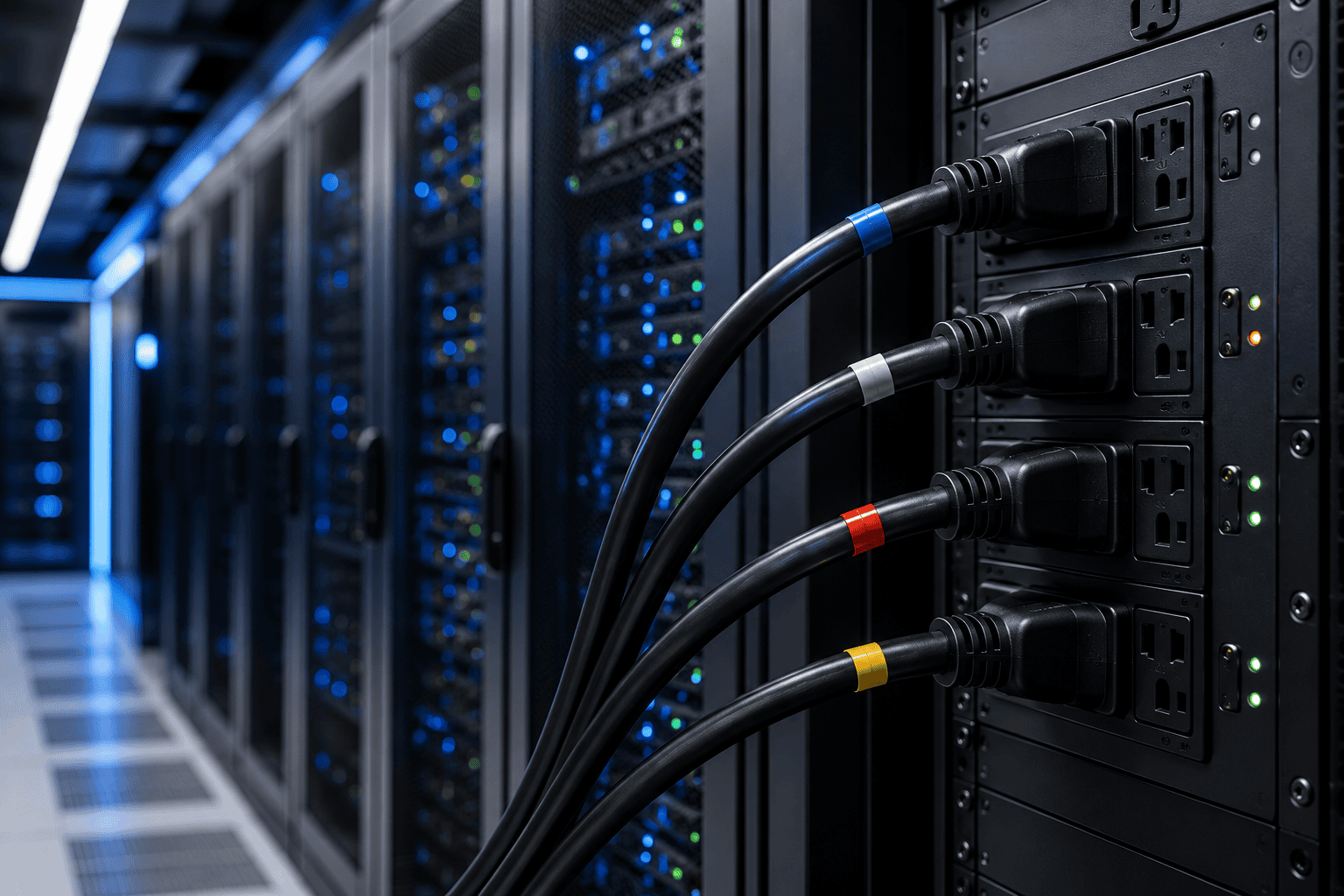
Data center power whips are preconfigured electrical cable assemblies used to deliver power from distribution equipment to rack-level infrastructure. In many data center environments, power whips help connect remote power panels, power distribution units, floor boxes, overhead busways, or other distribution points to racks, cabinets, or equipment-level power connections.
A power whip may include cable, connectors, plugs, receptacles, conduit, labeling, and other components depending on the application. Instead of relying entirely on field-built wiring for each connection, power whips can be built to project specifications and delivered ready for installation.
This makes them especially useful in environments where speed, consistency, and repeatability matter. When data centers need to deploy many racks or support similar power configurations across multiple data halls, preconfigured power whips can help simplify the installation process.
Where Power Whips Fit in Data Center Power Distribution
Power distribution in a data center typically involves multiple layers of infrastructure. Power may move from utility service, generators, or UPS systems into switchgear, remote power panels, busways, PDUs, and rack-level equipment. Data center power whips often serve as one of the final physical connections in this chain.
In simple terms, power whips help bridge the gap between distribution equipment and the equipment that needs power.
For example, a power whip may be used to connect:
- Remote power panel connections to racks or cabinets
- Floor-mounted or overhead power sources to rack PDUs
- PDU connections to IT equipment or rack-level infrastructure
- UPS or generator-related systems to downstream equipment
- Standardized power distribution setups across multiple racks
Because these connections sit close to mission-critical equipment, the quality, configuration, and reliability of the power whip matter. Poorly planned power connections can create challenges with routing, airflow, maintenance access, labeling, and future scalability.
Why Power Whips Matter in High-Density Data Centers
High-density data centers place greater pressure on power infrastructure. AI workloads, cloud platforms, and high-performance computing environments often require more power per rack, more organized cabling pathways, and more repeatable installation practices.
Data center power whips support these needs by helping facilities:
- Simplify rack-level power connections
- Reduce field wiring complexity
- Improve consistency across repeated deployments
- Support faster installation timelines
- Improve cable organization and routing
- Maintain better access for service and maintenance
- Support scalable power distribution across multiple racks or data halls
- Reduce variation between similar power connections
As rack densities increase, power cable routing also becomes more important. Power whips must be flexible enough to support installation while still meeting the electrical and environmental requirements of the application. The right assembly can help support both performance and manageability.
Common Data Center Power Whip Applications
Power whips can be used across several areas of data center infrastructure. Each application may have different requirements depending on voltage, amperage, connector type, cable type, routing path, and installation environment.
Rack PDU Connections
Rack power distribution units, or rack PDUs, distribute power to servers and IT equipment inside a rack or cabinet. Power whips are often used to connect upstream power sources to rack PDUs, helping create a reliable path from the facility power infrastructure to the equipment that supports daily operations.
Remote Power Panel Connections
Remote power panels help distribute power closer to IT loads. Power whips may be used to connect remote power panels to racks, cabinets, or other downstream equipment. These applications often require careful planning around circuit identification, labeling, cable routing, and load requirements.
Underfloor and Overhead Power Distribution
Many data centers route power through underfloor pathways, overhead cable trays, or busway systems. Power whips can be configured to support these routing strategies while helping keep connections organized and accessible. In high-density environments, clean routing can also support airflow and maintenance access.
UPS and Generator-Related Connections
Power whips may also be used in applications involving UPS systems, generator tie-ins, temporary power, or maintenance bypass configurations. These applications may require heavier-duty cable types, specific connector configurations, or higher ampacity depending on the system design.
High-Density AI and HPC Environments
AI and high-performance computing environments can create increased power demand at the rack level. As a result, power whips used in these environments may need to support higher electrical loads, tighter routing spaces, and more repeatable deployment standards across dense infrastructure.
Key Considerations When Choosing Data Center Power Whips
Choosing the right power whip is not only about selecting a cable. It involves understanding the electrical requirements, installation environment, connector configuration, and long-term operating needs of the data center.
Voltage and Ampacity
Power whips must be selected based on the voltage and current requirements of the application. Higher-density environments may require assemblies that can support greater electrical loads while maintaining safe, reliable performance.
Connector Configuration
Connector type is one of the most important decisions in a power whip assembly. NEMA, IEC pin and sleeve, cam-type, lug-style, and other connector options may be used depending on the application, equipment, environment, and installation requirements.
Cable Type
Cable type affects flexibility, durability, voltage rating, temperature rating, and installation suitability. Common cable types used in power assembly applications may include SOOW, Type W, DLO, SC, THHN, and other power cables depending on the use case.
Length and Routing
Power whips should be long enough to reach the intended equipment without creating unnecessary slack, congestion, or routing issues. Overly long assemblies can create clutter, while assemblies that are too short can complicate installation or maintenance.
Flexibility and Bend Radius
In high-density racks, underfloor pathways, and overhead routing systems - flexibility matters. The cable and conduit selection should support the physical routing requirements of the space while avoiding unnecessary strain on connections.
Environment and Installation Conditions
Some applications may involve controlled indoor spaces, raised floors, humid areas, industrial environments, or temporary power conditions. The power whip should be selected based on the expected environment and any applicable protection requirements.
Labeling and Documentation
Clear labeling helps installation teams, facility managers, and maintenance personnel identify circuits and connections quickly. For larger deployments, consistent labeling and documentation can support long-term maintenance and reduce confusion during moves, adds, or changes.
Testing and Quality Assurance
Power whips used in mission-critical environments should be built and tested with reliability in mind. Testing and documentation can help confirm that assemblies are ready for installation and support traceability across the project.
Code and Compliance Requirements
Data center electrical infrastructure should be designed and installed with applicable codes, standards, and local requirements in mind. The National Electrical Code, published as NFPA 70, is widely recognized as a benchmark for safe electrical design, installation, and inspection practices. Project teams should work with qualified professionals to ensure power whip assemblies and related electrical systems meet the requirements of the specific facility and jurisdiction.
How Preconfigured Power Assemblies Support Faster Deployment
One of the main advantages of data center power whips is that they can be preconfigured before arriving at the job site. This can help reduce the amount of field work required during installation and support a more repeatable deployment process.
Preconfigured power assemblies can help data center teams:
- Reduce installation time
- Improve consistency between racks or data halls
- Minimize field wiring variation
- Support standardized deployment models
- Improve project staging and logistics
- Simplify moves, adds, and changes
- Support cleaner cable routing and labeling
For large-scale data center projects, repeatability can be especially valuable. When multiple racks require similar power configurations, preconfigured assemblies can help create a more predictable installation process.
Power Whips and Scalable Data Center Infrastructure
As data centers grow, power infrastructure must be able to scale with changing requirements. New racks, higher-density equipment, AI workloads, and future expansion plans can all increase demand on power distribution systems.
Power whips support scalability by making rack-level power connections more repeatable and easier to plan. Instead of treating each connection as a one-off installation, teams can use standardized assemblies that support consistent deployment across similar environments.
This approach can be especially helpful for colocation providers, cloud environments, hyperscale facilities, and enterprise data centers that need to deploy infrastructure quickly while maintaining quality and reliability.
Partner with Cablcon for Custom Power Assemblies and Whips
Cablcon supports data center power infrastructure with custom power assemblies and whips designed for performance, reliability, and deployment efficiency. From cable and connector selection to kitting, labeling, testing, and project-specific configurations, Cablcon helps customers build power assembly solutions that align with their infrastructure requirements.
Cablcon’s custom power assemblies and whips can support data center, telecom, broadband, temporary power, grid renewal, and other critical infrastructure applications. Whether your project requires rack-level connections, PDU power whips, custom cable assemblies, or repeatable deployment support, Cablcon can help design copper assembly solutions built around your application.
Explore Cablcon’s Custom Power Assemblies & Whips to learn how preconfigured power solutions can support reliable, scalable infrastructure, or contact Cablcon to discuss custom power whip requirements for your next data center project.
Related Resources
Choosing Data Center Power Cables
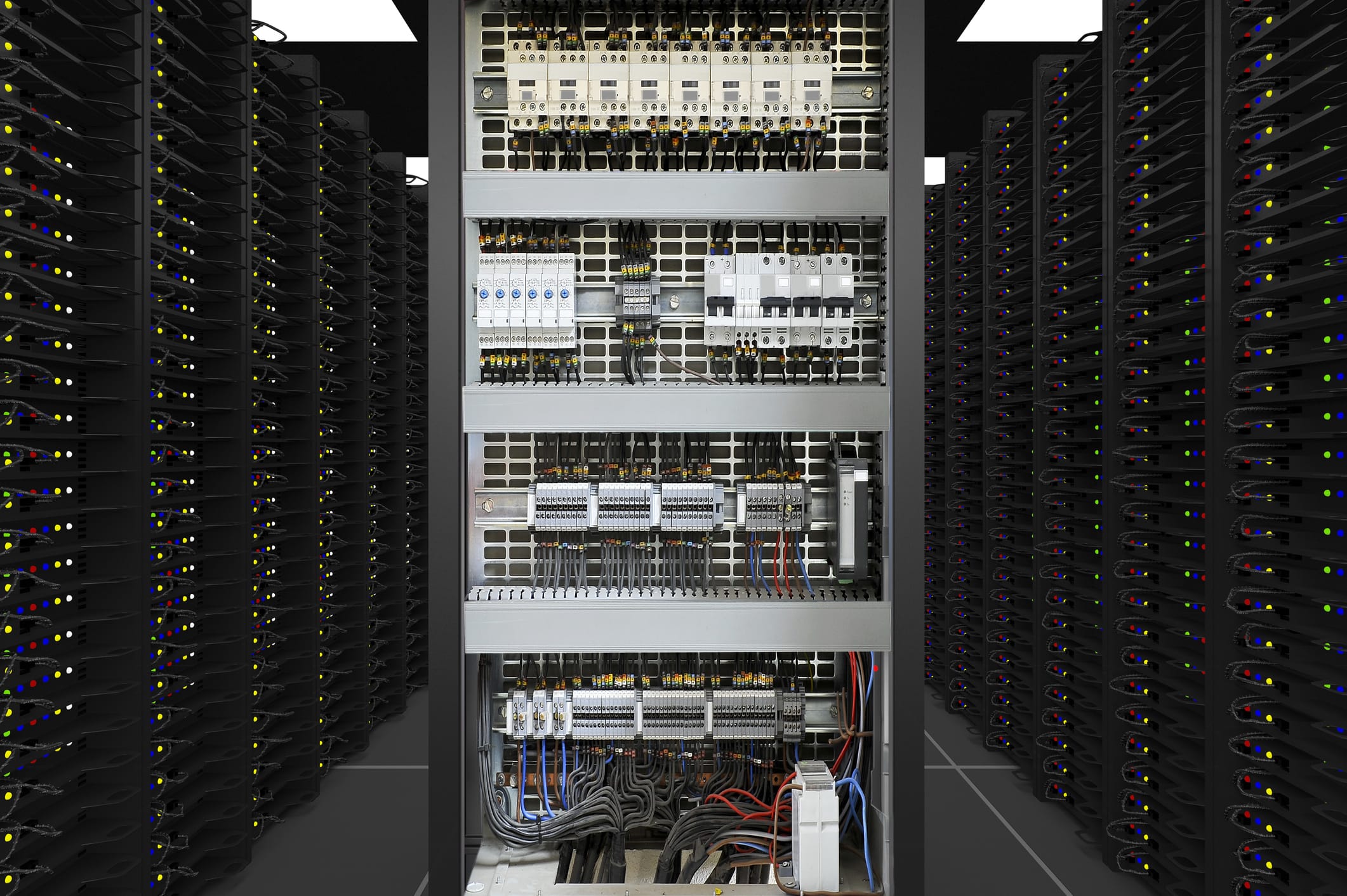
Learn how to select power cable for feeder circuits, branch distribution, rack-level connections, PDUs, power whips, and high-density data center environments.Read Guide
Data Center Wiring Compliance Guide
Review standards, safety requirements, cable-routing considerations, and documentation practices for compliant data center wiring infrastructure.Read Guide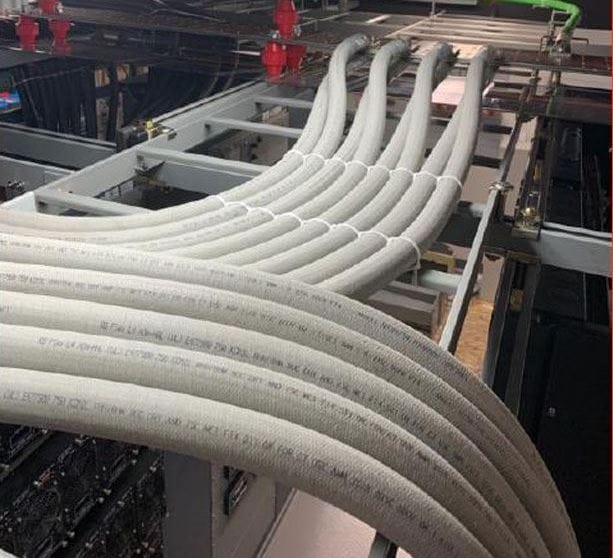
Data Center Cabling Best Practices
Explore structured cabling, cable selection, airflow, redundancy, and cable-management practices for scalable data center environments.Read Guide