Choosing Data Center Power Cables for High-Density Infrastructure
Learn how to choose data center power cables for feeder circuits, branch distribution, rack-level connections, PDUs, power whips, and high-density environments.
What Are Data Center Power Cables?
Data center power cables distribute electrical power throughout a facility, helping move power from upstream electrical systems to distribution equipment, racks, cabinets, power distribution units, and critical IT equipment.
Unlike network cabling, which supports data transmission, power cabling is responsible for safely and efficiently delivering the electrical capacity needed to keep servers, storage systems, cooling equipment, and other infrastructure running.
Because data centers operate continuously and often support high-density workloads, power cable selection plays an important role in uptime, efficiency, safety, and long-term scalability.
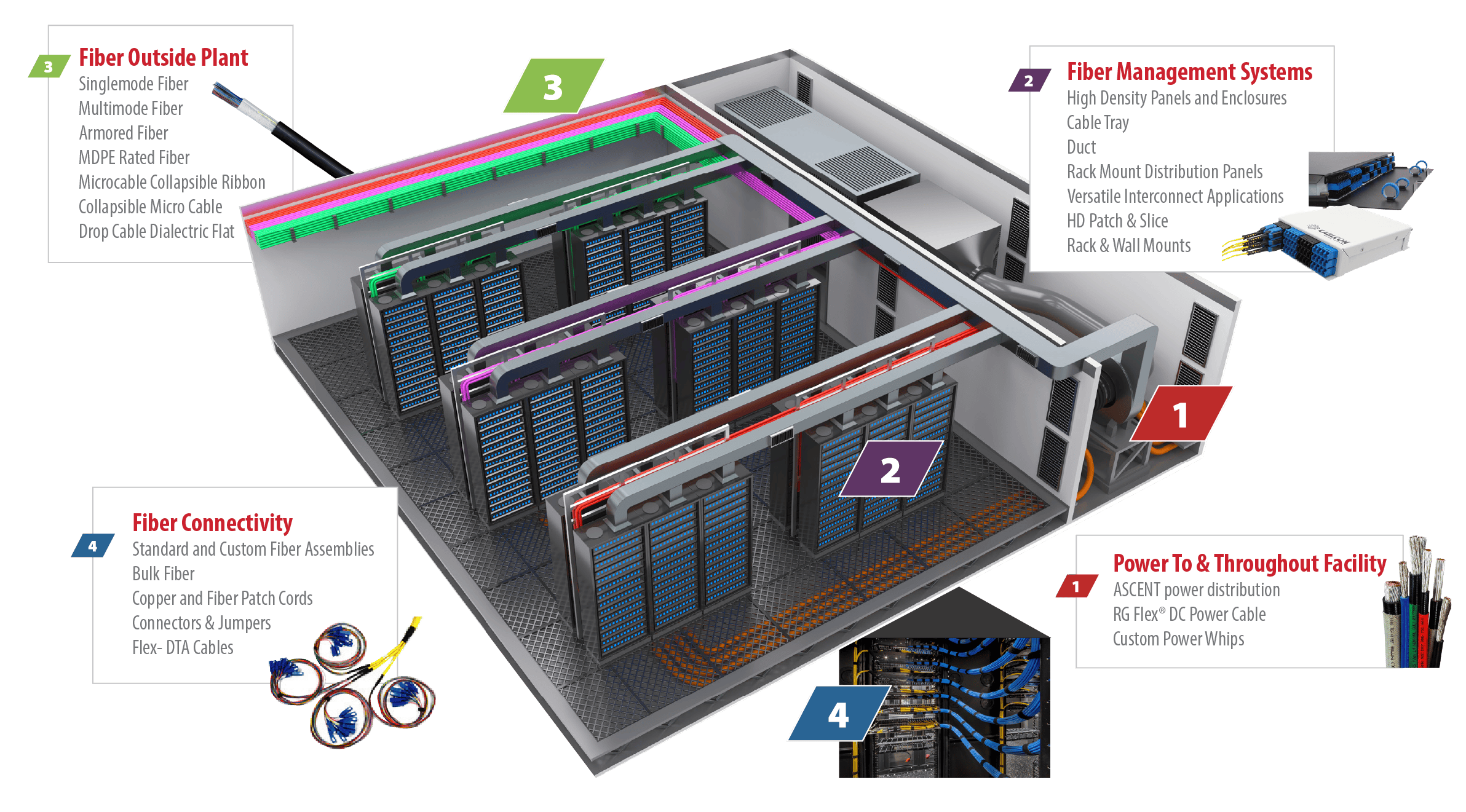
In modern data centers, power cables may support feeder circuits, branch circuit distribution, rack-level connections, power distribution units, and preconfigured power assemblies such as power whips.
Why Data Center Power Cable Selection Matters
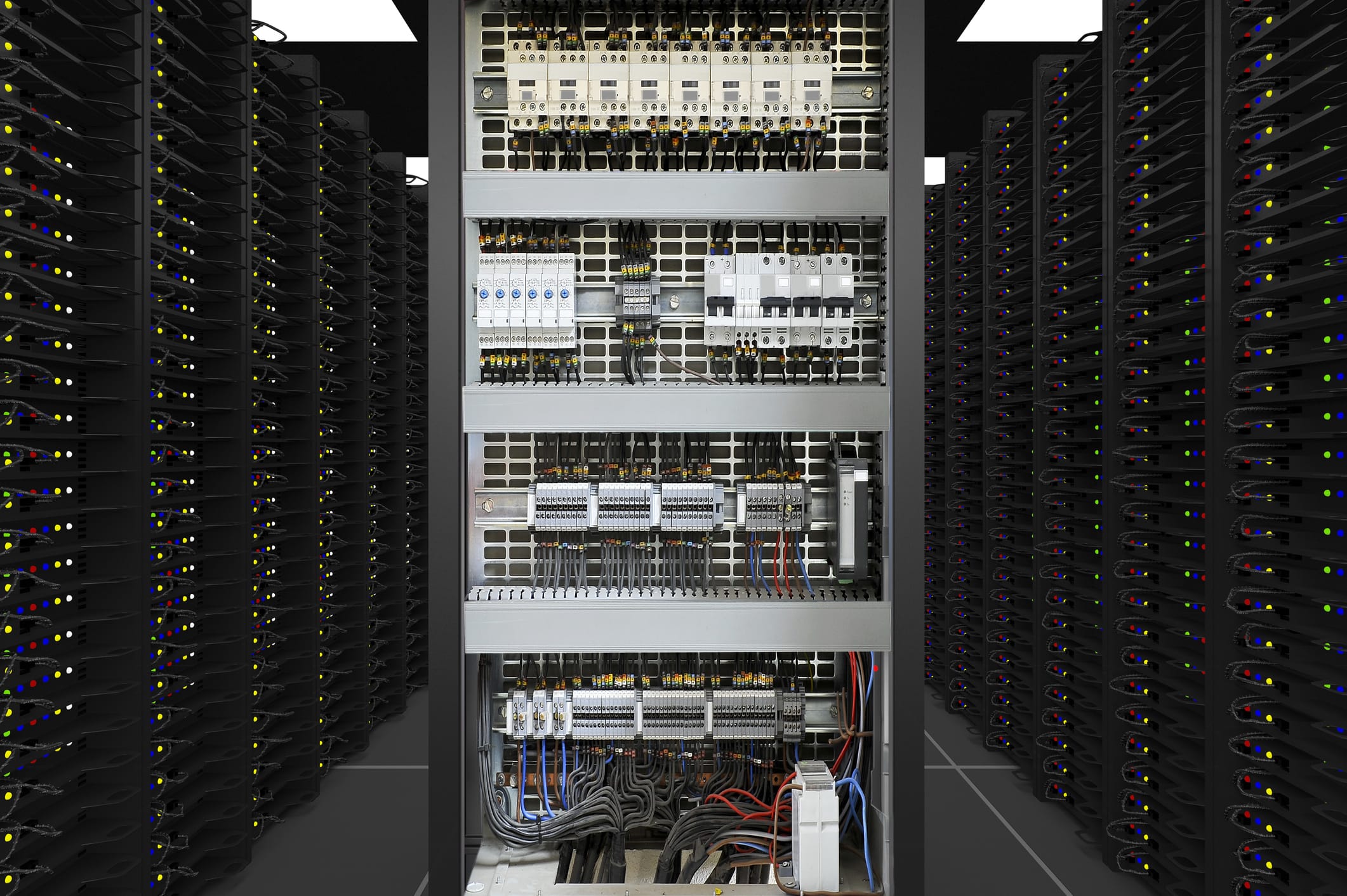
Choosing the right data center power cable helps ensure electrical systems can safely support required loads without overheating, excessive voltage drop, or unnecessary energy loss. Poor cable selection or inconsistent installation can lead to rework, inefficient power delivery, increased maintenance, and potential downtime.
For high-density environments, including AI data centers, cloud computing facilities, colocation sites, and high-performance computing applications, power cabling must support tighter spaces, higher rack power loads, airflow considerations, and faster deployment schedules.
A strong power cable strategy helps data center teams improve installation consistency, simplify maintenance, support repeatable deployments, and plan for future capacity needs.
Common Applications in Data Centers
Power cables are used across multiple layers of data center infrastructure, each with specific requirements.
- Feeder Applications - Feeder cables carry power from utility service, generators, or UPS systems to distribution equipment such as switchgear, PDUs, or remote power panels. These applications typically require higher-capacity cables designed for continuous loads.
- Branch Circuit Distribution - Branch circuit cables deliver power from distribution equipment to server racks and cabinets. These cables must balance current capacity, flexibility, and efficient routing in overhead or underfloor pathways.
- Rack-Level Power Connections - Rack-level power cables connect power distribution units to IT equipment within racks. These applications often require compact, flexible cables that can support high-density environments without restricting airflow or access.
- Preconfigured Power Assemblies - Preconfigured power assemblies, often referred to as power whips, are used to simplify connections between power distribution systems and equipment. These assemblies can help reduce installation time, improve consistency, and support repeatable deployments across multiple racks or data halls.
- High-Density Environments - In AI and high-performance computing environments, power cables must support increased electrical loads while minimizing space constraints. As rack densities rise, cabling plays a larger role in power delivery, organization, cooling efficiency, and long-term scalability.
Key Factors to Consider When Choosing Data Center Power Cables
When selecting power cable for a data center, several factors can influence performance and reliability:
- Load requirements: Power cables must support the electrical demand of the equipment and application.
- Cable length: Proper length helps reduce excess slack, improve organization, and limit unnecessary power loss.
- Installation environment: Cables may be routed through overhead trays, underfloor pathways, conduit, or rack-level spaces.
- Flexibility: Flexible cable constructions can simplify installation in tight or high-density environments.
- Thermal performance: Cables must be suitable for operating conditions where heat and airflow are important considerations.
- Scalability: Cable infrastructure should support future equipment changes, higher-density racks, and expansion plans.
- Compliance: Power cabling should align with applicable electrical codes, safety standards, and facility requirements.
Partner with Cablcon for Data Center Power Cabling
Choosing the right power cable for a data center requires more than matching a product to a specification. Load requirements, routing conditions, rack density, thermal performance, assembly needs, and future scalability all play a role in long-term reliability. Contact Cablcon to discuss your data center power cabling requirements and find cable solutions that support safe, efficient, and scalable power distribution.
Related Resources
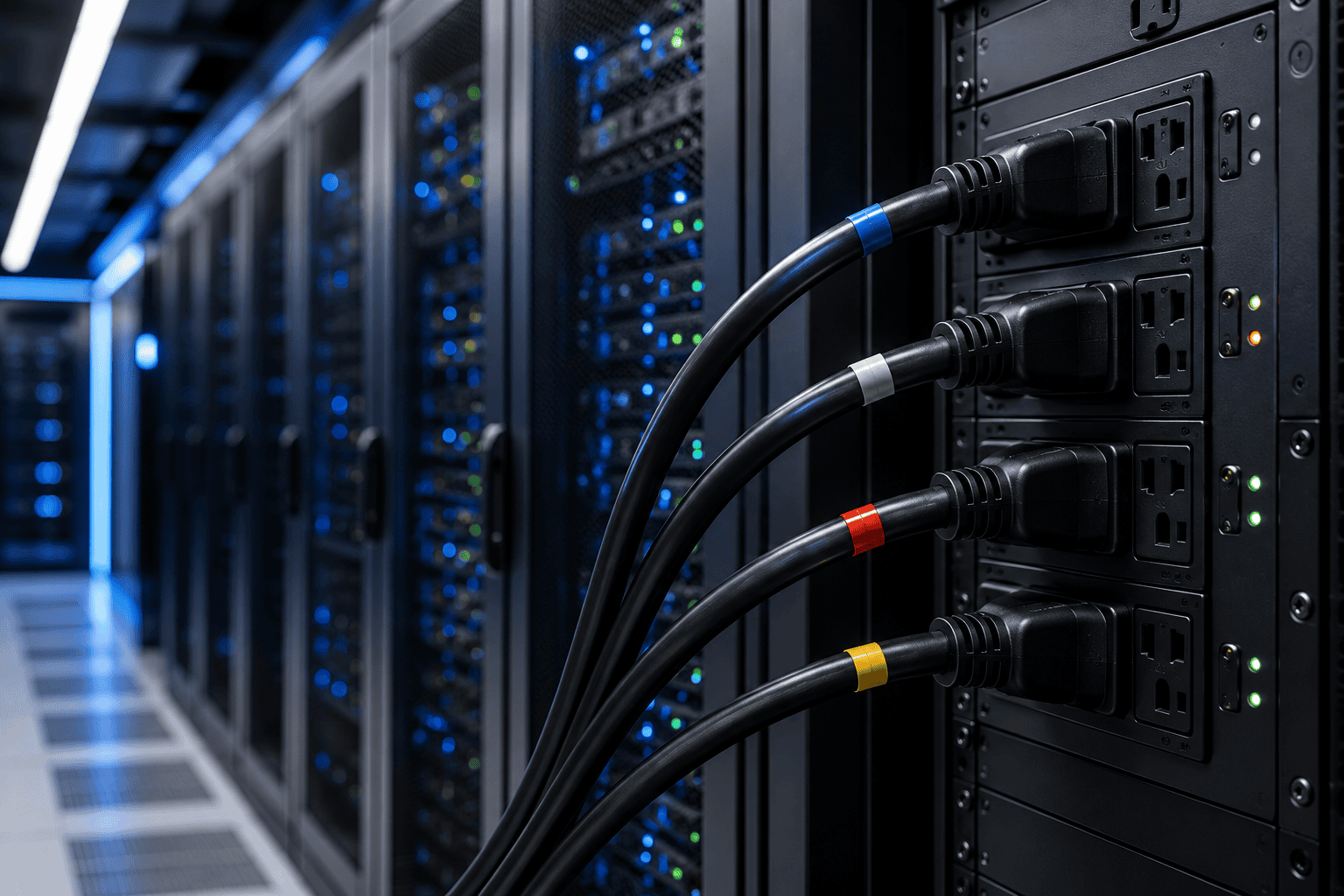
Data Center Power Whips
Learn how preconfigured power whips support reliable rack-level power distribution, faster deployment, and scalable data center infrastructure.Read Guide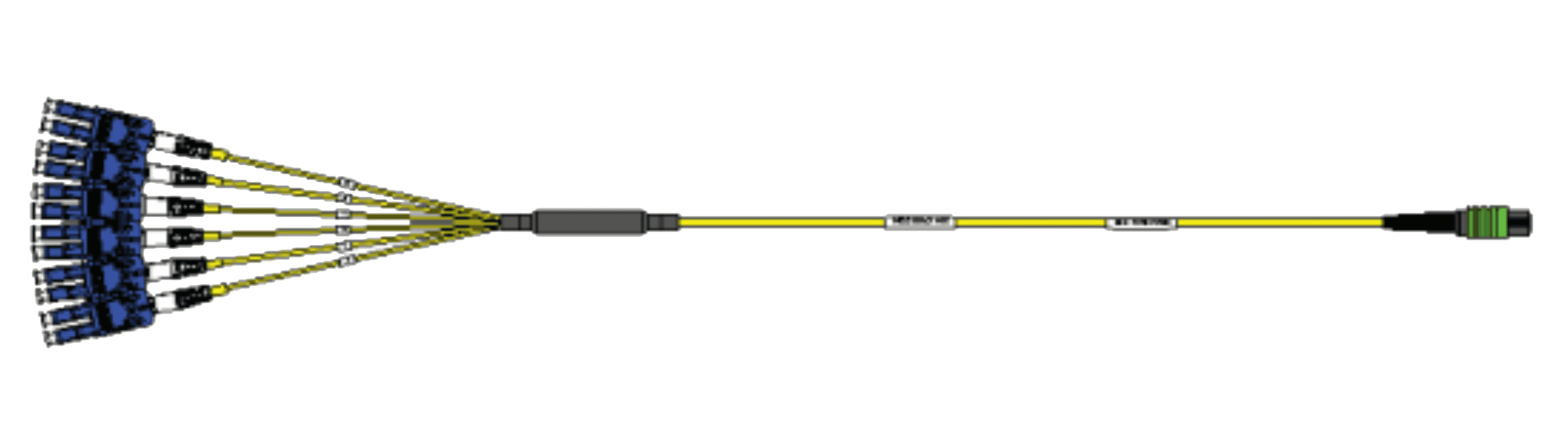
Data Center Wiring Compliance Guide
Review key standards, safety requirements, cable-routing considerations, and documentation practices for compliant data center wiring.Read Guide
Data Center Cabling Best Practices
Explore best practices for structured cabling, cable selection, airflow, redundancy, and cable management in scalable data center environments.Read Guide