


Telecom Network Optimization
Learn how telecom network optimization starts with strong wire, cable, power, and fiber infrastructure that supports reliable, scalable broadband networks.
Why Telecom Network Optimization Starts with Strong Infrastructure
Telecom network optimization is essential for building faster, more reliable, and more scalable communication networks. As demand for broadband, wireless connectivity, cloud applications, data centers, and connected devices continues to grow, telecom providers and network operators need infrastructure that can support higher traffic volumes without sacrificing performance.
A healthy telecom network does not begin with speed alone. It begins with the physical foundation that keeps the network running: fiber optic cables, copper assemblies, power cables, grounding hardware, racks, enclosures, wireless installation components, and outside plant solutions. When these systems are properly designed, installed, and maintained, networks become easier to expand, easier to manage, and more reliable over time.
Why Optimizing Telecom Networks Matters
Every telecom network faces pressure from increasing bandwidth demands, expanding service areas, and higher customer expectations. Slow speeds, signal loss, downtime, power issues, and poor cable management can all affect network performance.
Telecom network optimization helps address these challenges by improving the way a network is built, organized, powered, and maintained. The goal is to create an infrastructure system that supports consistent connectivity today while preparing for future growth.
For broadband providers, wireless carriers, data centers, enterprise campuses, and outside plant networks, optimization can help:
- Improve network reliability
- Support higher bandwidth capacity
- Reduce downtime and service interruptions
- Make maintenance and troubleshooting easier
- Prepare infrastructure for future expansion
- Improve performance across fiber, copper, power, and wireless systems
In short, optimized telecom infrastructure helps networks perform better now and scale more effectively later.
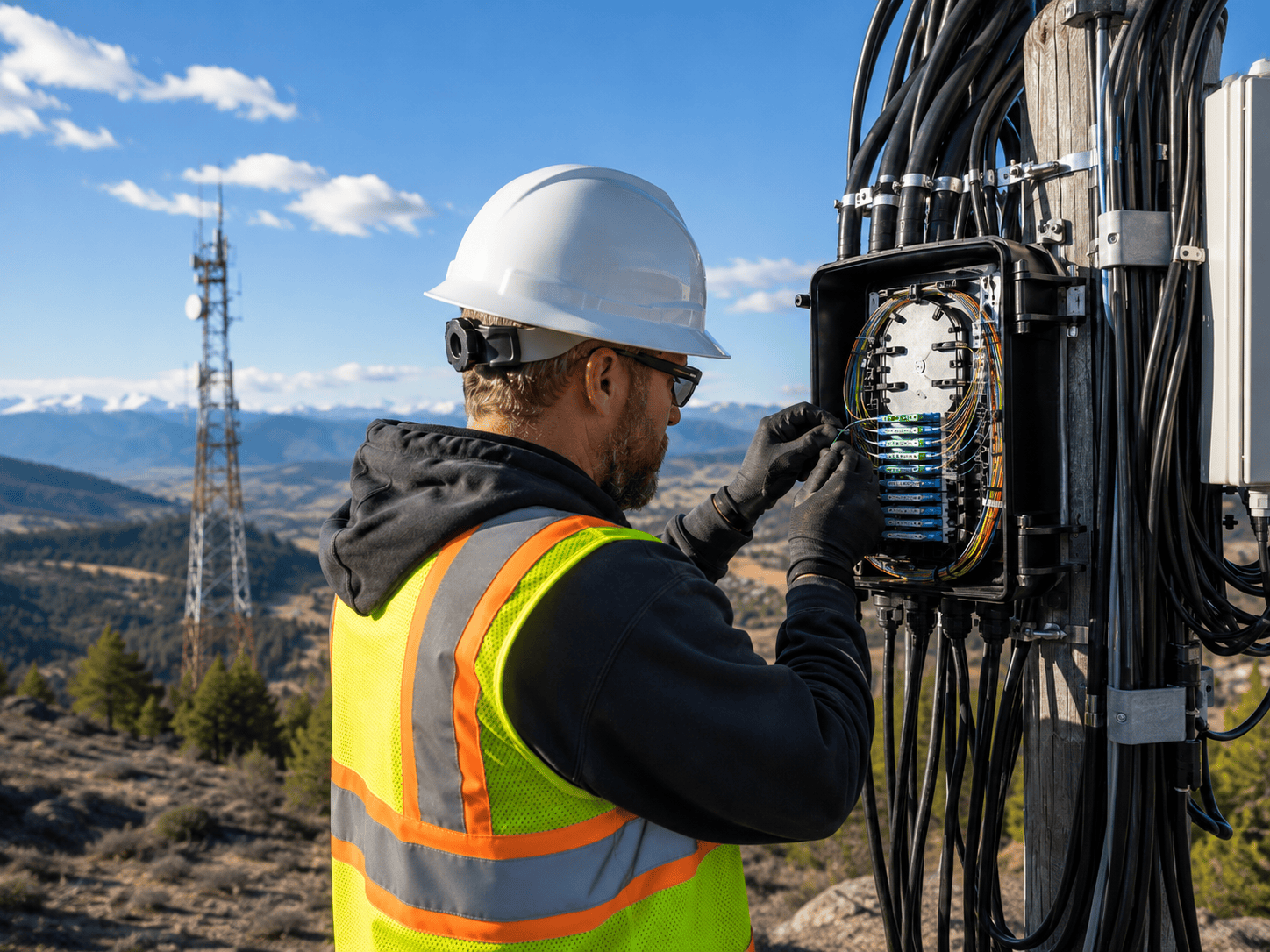
Strong Networks Depend on the Right Wire and Cable Solutions
Wire and cable products are a critical part of telecom network performance. Even the most advanced network equipment depends on reliable physical connections to transmit data, deliver power, and protect signal quality.
Fiber optic cables support high-speed data transmission and are essential for broadband expansion, data centers, FTTx deployments, central offices, and mobile backhaul. Copper cable assemblies remain important for network connectivity, power applications, and custom infrastructure needs. Hybrid copper and fiber cables can help support complex environments where both data and power are required.
Power cables, grounding hardware, and power distribution components are equally important. A telecom network cannot operate reliably without stable power infrastructure. From headends and central offices to cell towers and data centers, power reliability directly affects uptime.
Cable management products, racks, cabinets, enclosures, and fiber management devices also play a major role. They help protect network components, organize installations, simplify maintenance, and reduce the risk of future performance issues.
Building a Healthier Telecom Infrastructure
A healthy telecom infrastructure is one that is organized, protected, scalable, and built for long-term performance. It is not only about adding more equipment or increasing speed. It is about making sure every part of the physical network supports reliability and future growth.
That includes:
- Choosing the right fiber and copper cable assemblies
- Protecting cables with proper management and enclosures
- Supporting equipment with dependable power infrastructure
- Using grounding and distribution hardware to improve safety and reliability
- Planning outside plant infrastructure for environmental exposure and expansion
- Preparing wireless and cellular sites for growing traffic demands
When these elements work together, network operators can reduce weak points, improve service consistency, and create a stronger foundation for future upgrades.
Why Infrastructure Optimization Should Be a Priority
Telecom networks are becoming more complex. More users, devices, and applications depend on constant connectivity. As a result, infrastructure decisions made today can affect network performance for years.
Choosing the right wire, cable, power, and installation solutions helps reduce long-term risk. Poor infrastructure can lead to more maintenance, more outages, harder troubleshooting, and limited scalability. Strong infrastructure gives network teams more control, more flexibility, and more confidence as demand grows.
Build a Stronger Telecom Infrastructure with Cablcon
Strong telecom networks depend on reliable wire, cable, power, and connectivity solutions. Cablcon supports telecom and broadband infrastructure with products designed to help improve performance, reliability, and long-term scalability.
From fiber and copper cable assemblies to power, grounding, cable management, and installation solutions, Cablcon can help support the physical foundation behind stronger networks. Contact Cablcon to discuss cable and wire solutions for your telecom infrastructure needs.