


Fiber Optic vs Copper Cables: A Compact Guide to Choosing the Right Network Cabling
Understanding Fiber and Copper Cabling
Fiber optic and copper cabling differ in how they transmit data, where they perform best, and how they’re typically deployed.
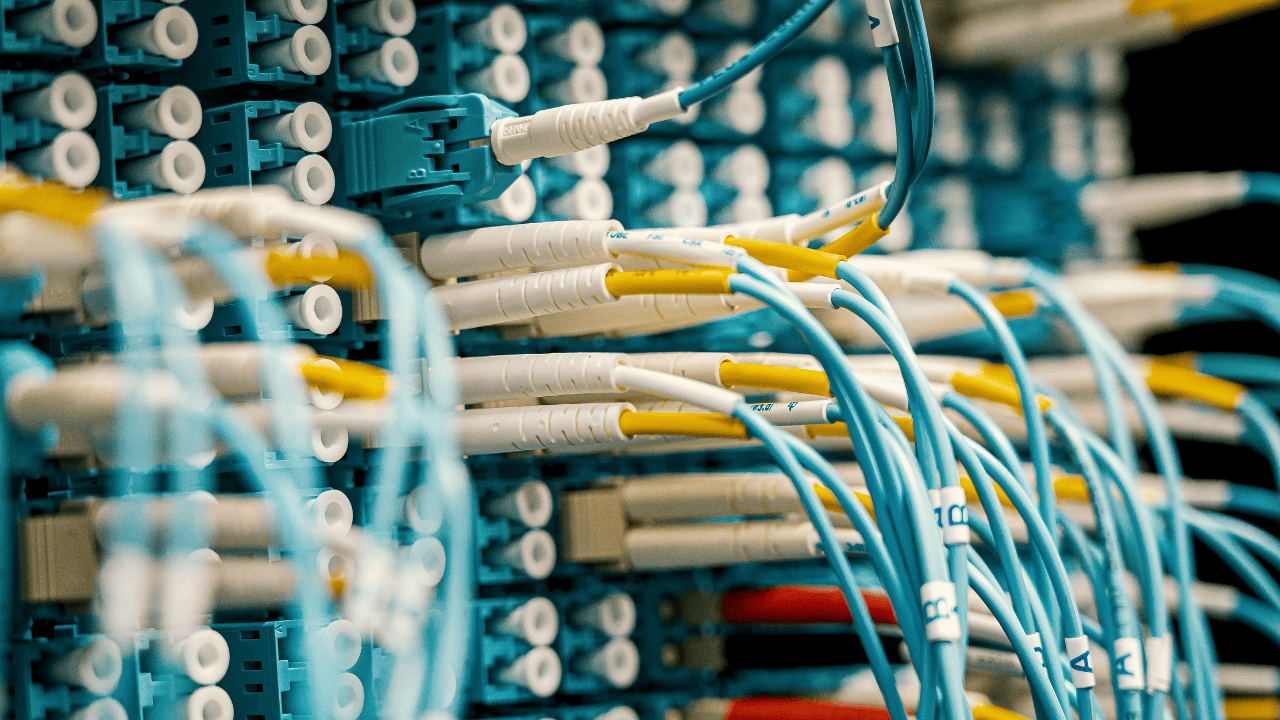
Fiber Optic Cabling
Fiber cables use light to transmit data through glass or plastic fibers, delivering high bandwidth, long-distance performance, and strong resistance to electrical interference.
Best suited for:
- High-speed, data-intensive networks
- Long-distance or backbone connections
- Enterprise and mission-critical infrastructure
Explore the benefits of fiber infrastructure in more detail, including performance advantages and long-term ROI.
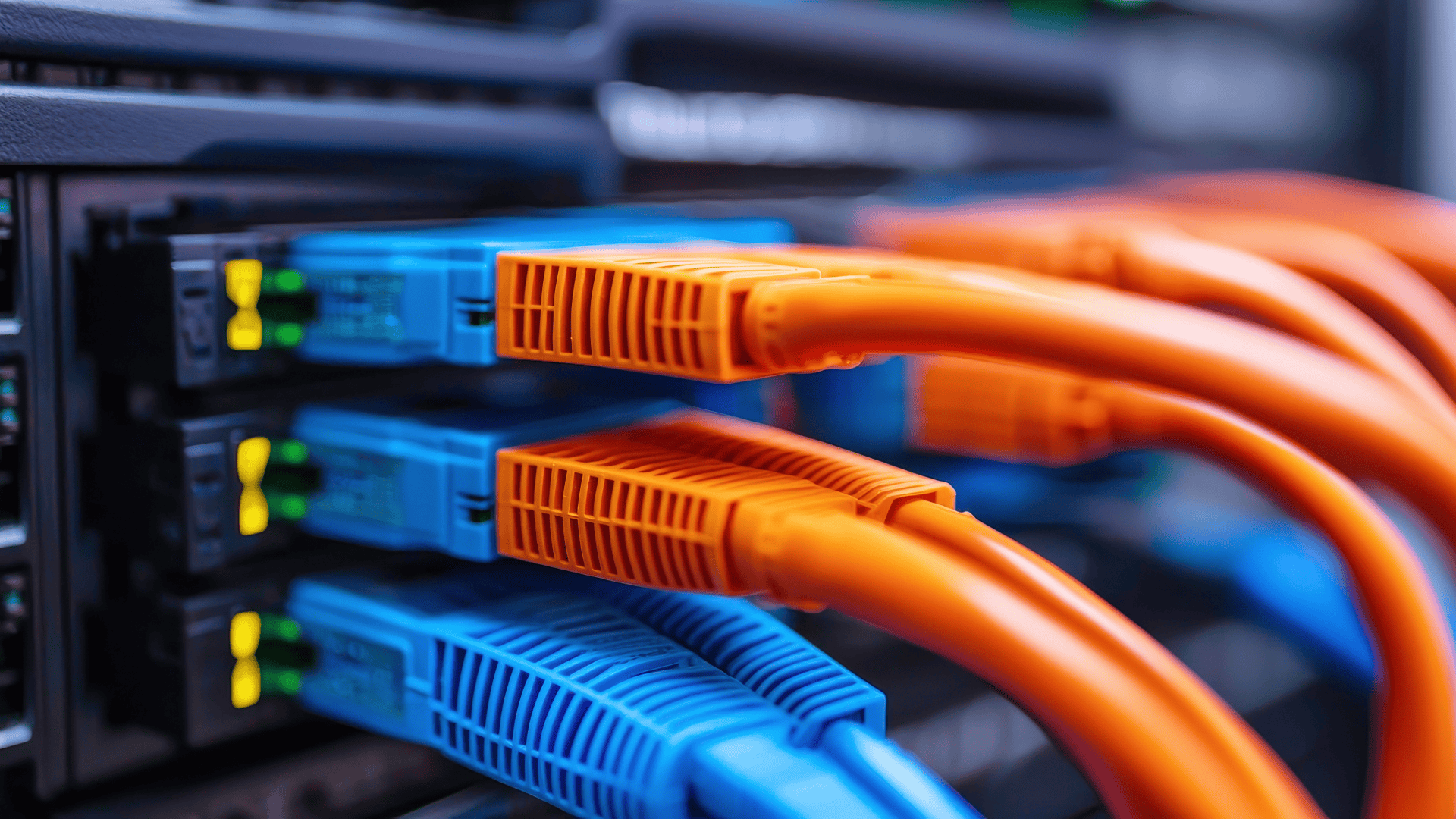
Copper Cabling
Copper cables transmit data using electrical signals and remain a practical, cost-effective option for shorter cable runs and endpoint connections.
Best suited for:
- Short, localized network runs
- Power over Ethernet (PoE) applications
- Environments leveraging existing infrastructure
Common types: Cat5e, Cat6, Cat6A, and coaxial (specialty use cases)
Key Differences That Matter
The table below highlights the key differences between fiber optic and copper cables to help you quickly determine which solution best fits your network requirements.
| Key Factor | Fiber Optic Cables | Copper Cables |
|---|---|---|
| Speed & Bandwidth | Supports significantly higher bandwidth, making it ideal for data-heavy and high-speed networks. | Provides reliable performance for standard network speeds but has bandwidth limitations. |
| Distance & Signal Loss | Maintains signal integrity over long distances with minimal loss. | Best suited for short runs, typically up to 100 meters for Ethernet. |
| Interference Resistance | Immune to EMI and RFI, ensuring consistent performance in electrically noisy environments. | Can experience signal degradation from nearby electrical equipment. |
| Security | More secure because it is difficult to tap without detection. | Signals are more susceptible to interception. |
| Power Delivery | Fiber does not carry electrical power. | Supports Power over Ethernet (PoE) for connected devices. |
How to Decide: Fiber or Copper for Your Network
If you’re still weighing fiber optic versus copper cabling, the decision often comes down to network goals, environment, and future plans rather than technical specs alone.
Choose Fiber Optic Cabling If:
- Your network requires high bandwidth or low latency
- You’re running cables over long distances
- Your environment includes electrical noise or sensitive equipment
- You’re designing for future growth and scalability
- The network supports critical or always-on systems
Choose Copper Cabling If:
- Cable runs are short and localized
- Power over Ethernet (PoE) is required for connected devices
- You’re working within a tighter upfront budget
- The project involves existing copper infrastructure
- Fast installation and compatibility are priorities
Ready to Build the Right Network Infrastructure?
Choosing between fiber optic and copper cabling is only part of the equation. Proper routing, protection, and organization are critical to ensuring long-term performance, reliability, and scalability.
Cablcon delivers cable management and fiber infrastructure solutions designed to support critical networks across data centers, industrial facilities, and commercial environments. Contact Cablcon to discuss your project requirements with our team.